Preventing Fire Damage in Phoenix: Seasonal Tips for Homeowners
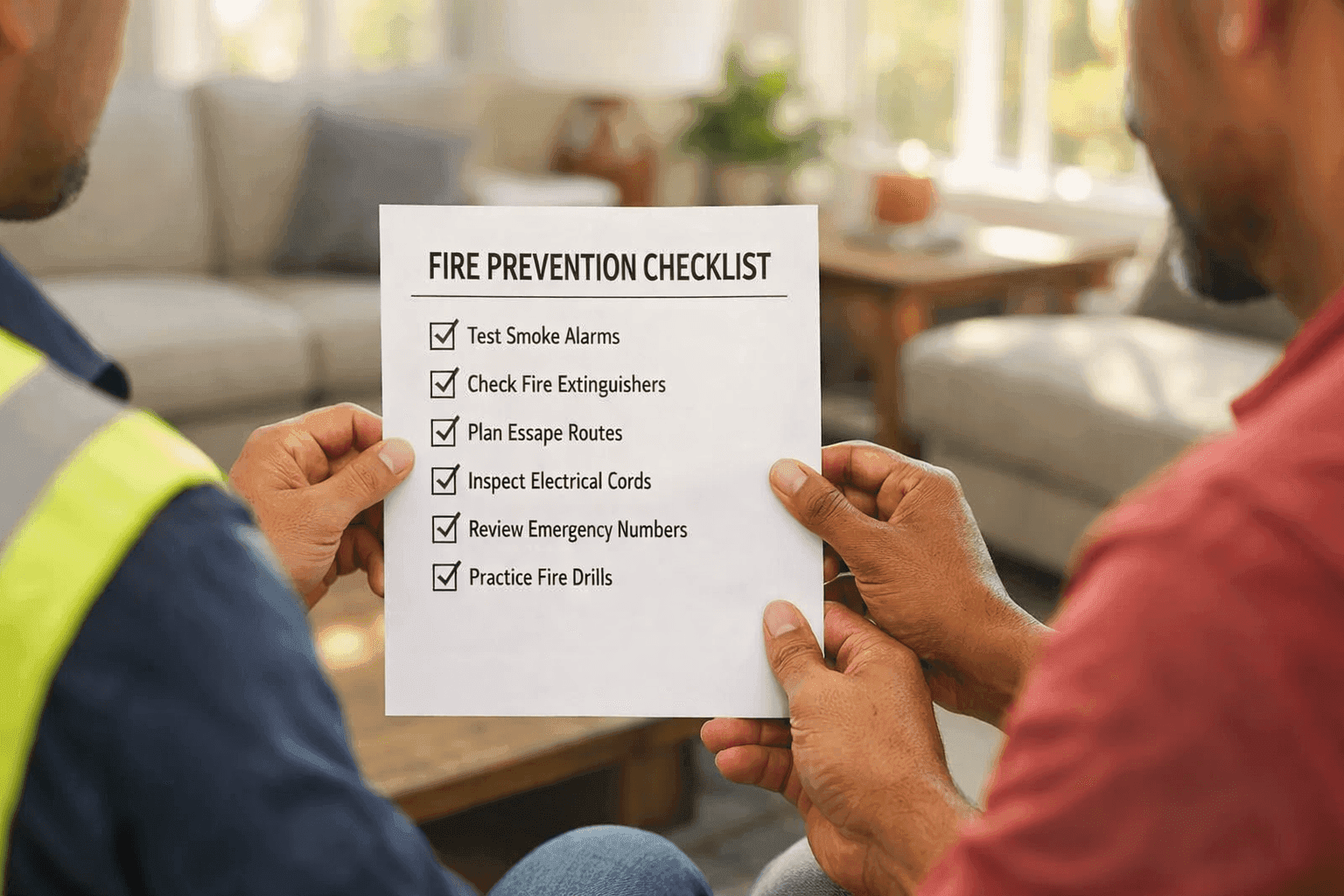
Living in Phoenix means sunshine, endless blue skies—and a climate that can turn fire risk from distant worry to urgent reality overnight. Every season brings its own hazards, and fire_damage doesn’t wait for a convenient time. When the unthinkable happens, fast response and clear planning save property and lives.
At Phoenix Fire Damage Restoration, we’ve helped families and businesses recover from the unexpected. But our real goal? Helping you avoid disaster in the first place. Let’s break down what makes Phoenix unique—and how you can act today to keep your home protected.
Fire Risks Unique to Phoenix 🌵
Phoenix isn’t just hot—it’s a furnace in mid-summer. Add dry winds, brittle vegetation, and the occasional electrical storm, and you’ve got a recipe for fire hazards that change with the calendar.
- Summer Heat: Temperatures soar above 110°F. Dry lawns and brush can ignite from the smallest spark.
- Dry Vegetation: Prolonged droughts leave landscapes tinder-dry. Homes close to desert open space or unmanaged lots face higher risk.
- Electrical Storms: Monsoon season delivers lightning strikes, often without rain. Power surges and downed lines can mean trouble.
- Seasonal Patterns: Holidays bring extra risks—think candles at dinner, fireworks on the Fourth, overloaded lights in winter. Each adds fuel to the fire, literally and figuratively.
According to the Phoenix Fire Department, many local fires start outdoors—from cigarettes, grilling, or simple electrical shorts. Knowing these risks helps you stay a step ahead.
Top Prevention Tips for Every Season
Stay safe with practical steps that match our local climate. Here’s your year-round plan:
Spring
- Clear dead leaves and debris from your yard.
- Trim trees and shrubs at least 10 feet from your home and roof.
- Inspect outdoor wiring and replace any frayed cords.
- Test all smoke alarms.
Summer
- Mow lawns regularly; keep grass short and green if possible.
- Store flammable materials (propane, paint, gas cans) in approved containers, far from the house.
- Grill away from structures, never under eaves or low branches.
- Use surge protectors for sensitive electronics.
Monsoon & Fall
- Secure outdoor furniture and loose items; flying debris can break windows or knock down power lines.
- Unplug unnecessary electronics during storms.
- Clean gutters and downspouts to prevent buildup.
- Prepare an emergency “go kit” with essentials.
Winter & Holidays
- Check holiday lights for frayed wires or broken bulbs.
- Keep candles at least a foot from anything flammable, and never leave burning candles unattended.
- Water Christmas trees daily; dry trees ignite in seconds.
- Avoid overloading outlets with decorations or heaters.
These aren’t just good ideas—they’re recommended by local fire officials and align with Phoenix’s city codes.
Creating an Emergency Plan 🚨
Preparation is peace of mind. Here’s what every Phoenix homeowner should have:
- Smoke Alarms: One in every bedroom, plus outside each sleeping area and on every floor. Test monthly; replace batteries at least once a year.
- Evacuation Plan: Map two exits from every room. Practice fire drills twice a year, especially with children or elderly family members.
- Emergency Contacts: Post fire department, police, and a trusted restoration company (like us) on your fridge and in your phone.
- Fire Extinguishers: At least one on every floor. Make sure everyone knows how to use them.
Remember: The best emergency plan is the one you practice—so rehearse until it’s second nature.
Phoenix Fire Safety Checklist
- Remove dead vegetation within 30 feet of your home.
- Store combustibles safely.
- Keep grills, fire pits, and generators 10 feet from structures.
- Inspect and maintain smoke and carbon monoxide alarms.
- Update emergency contacts regularly.
- Review your insurance restoration coverage.
DIY vs. Call a Pro
Some jobs are perfect for a Saturday afternoon. Others need a pro’s experience and equipment.
DIY:
- Changing smoke alarm batteries.
- Raking brush and trimming trees.
- Testing fire extinguishers.
Call a Professional:
- Environmental services for hazardous cleanup or mold after water damage.
- Damage assessment following a fire, electrical surge, or unexplained smoke smell.
- Structural issues, especially after a fire or severe monsoon storm.
Trying to do it all yourself? That’s like fighting a wildfire with a garden hose. Know when to call in help.
What Pros Do On Arrival
When Phoenix Fire Damage Restoration arrives, we bring more than just tools:
- Rapid, 24-hour service for emergencies.
- Comprehensive damage assessment, using advanced moisture and smoke detection.
- Emergency board-up and temporary power to secure your property.
- Water extraction, dehumidification, and odor removal to prevent further issues.
- Structural stabilization to keep your home safe during repairs.
- Coordination with your insurance adjuster for a smoother process.
Our team works to local and national codes—so your repairs meet every requirement.
Prevention & Maintenance: Your Annual Plan
- Schedule a yearly electrical safety inspection.
- Service HVAC systems before summer.
- Clean dryer vents and chimney flues.
- Review your emergency plan and supplies every spring and fall.
- Refresh landscaping to keep defensible space clear.
Fire safety is a marathon, not a sprint. Small steps, taken regularly, add up to big protection.
Costs & Time Factors
Fire_damage restoration isn’t one-size-fits-all. Costs and timelines depend on:
- Square footage affected.
- Type of materials burned (synthetics release more toxins and odors).
- Water and smoke damage severity.
- Need for specialized cleaning, like content pack-out or corrosion control.
Most restoration jobs in Phoenix, AZ, are completed in days to weeks—but the sooner you act, the less extensive the damage.
When It’s an Emergency
If you smell smoke, see flames, or suspect structural compromise, evacuate immediately and call 911. Once it’s safe, reach out for 24-Hour Service in Phoenix, AZ. Remember, your safety comes first—possessions can be restored or replaced.
Frequently Asked Questions
How often should I test my smoke alarms?
Test them monthly. Replace batteries annually and the entire unit every 10 years.
Do I need fire extinguishers in every room?
You should have at least one per floor, especially in the kitchen and garage. Make sure everyone knows where they are and how to use them.
What’s the most common cause of fire_damage in Phoenix homes?
Outdoor sources—dry vegetation, careless grilling, or electrical shorts during storms—are top culprits.
Can I stay in my home after fire_damage?
It depends on the extent and type of damage. Always defer to professionals and local officials regarding safety before returning.
Local and Seasonal Considerations 🌞
Phoenix’s landscape is unique—so are our fire codes and prevention needs. The Phoenix Fire Department recommends annual brush clearance and compliance with local fire ordinances. Always check city guidelines before making major landscaping or electrical changes.
Wildfire season can start as early as May and run through October. Monsoon storms add another layer of unpredictability—so stay alert and keep emergency resources handy.
Related Services
Looking for specialized help? Learn more about our environmental services for hazardous cleanup, or get a damage assessment after a fire or storm.
Fire_damage can disrupt lives in an instant. Preparation and prompt action make all the difference. Phoenix Fire Damage Restoration is here—day or night—to help you recover and rebuild.
Call Phoenix Fire Damage Restoration now — or reach us anytime at (602) 892-4996 .